David Renton: New Beginnings

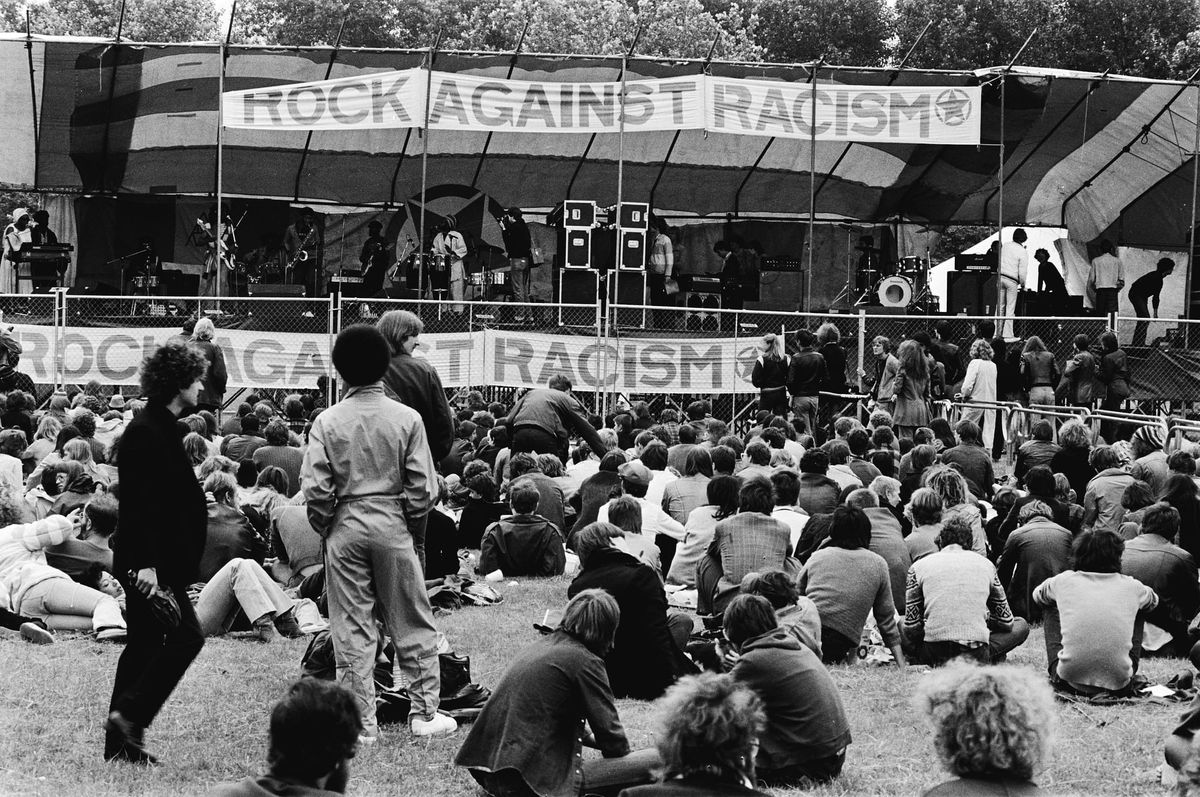
This is the anti-fascism we need.
First, I wish we were better at organising as internationalists. Our enemy has been more successful at this recently than we have been. You can see it in the way Tommy Robinson rebuilt after moments of defeat: the collapse of the English Defence League in 2013, his ban from Twitter in 2018. He turned to his rich North American patrons as a source of ideas, money, and as a way to build his platform. It’s so much easier now to send an idea around the world than it used to be, and those dynamics weaken political parties, national coalitions, other people who insist on mobilising within the limits of the state.
On the left, we don’t have billionaires waving their chequebooks at us and we’d be more suspicious of them if they did. Our self-help has to be about workers and the oppressed. The year ahead is going to see more demands for practical support. One survey last year found that 1 in 11 trans people in the US have relocated in an attempt to escape the growing number of states which have introduced laws against them. Through this year, expect to see more Mark Brays, more crowdfunders, more people asking for immigration assistance. In cities which don’t have collective resources already, we’ll need to start creating them.
The more we help anti-fascists outside our own borders, the faster we’ll learn about the techniques activists elsewhere are using to resist the authoritarians. We’ll see more clearly the demonstrators in Portland who dressed up in costumes to expose the regime’s claims about antifa violence, the seven million people who joined protests against Trump last October.
A second way in which we need to organise better is through culture. The five richest companies in the world are NVIDIA, Google, Apple, Microsoft, Amazon – all are products of the last 30 years’ computer, web and AI booms. Each technology they promote has a cycle, each individual app starts off promising a better service than its competitors then ends up getting ever slower and ever worse, while its owners focus on the task of making more money for less. That’s what happened at the global level: now they’ve become oligarchs, they’re buying up the newspapers which used to criticise them, social media platforms, TV and film streaming platforms. The far right is creating the perfect conditions for tech oligarchs’ rent-collection.
In the past, it was the left which used culture, we had the writers and the musicians. Fifty years ago, Rock Against Racism turned a generation who hated politics into committed anti-fascists. What we’re up against now is the concentration of media ownership, and the dynamics which result from it, the snark, the fume, the short attention spans and the way new technology imposes them even on places which should be about resistance. For years, I thought the next wave of anti-fascist organising would involve people who’d found a uniquely resistant genre, gaming maybe, and would politicise it; now my guess would be that anti-fascism is likely to root myself in people choosing to read more slowly, or other cultural forms which take us away from our screens.
The last part of the global right’s success has been the willingness of centre-right politicians to ally with the people on the far-right and even to subordinate themselves to the people on their margins. It was different when Oswald Mosley was at the peak of his influence, in 1934. At a time when the fascists had 40,000 members, held a huge meeting at Olympia, invited newspaper owners, peers and politicians. Anti-fascist hecklers got in, were beaten, and the establishment papers turned on him.
Now, compare that to how the centre-right treated Tommy Robinson’s demonstration last October: with text and video live streams on the Times and Telegraph websites. They played footage of it at the start of this year’s Conservative conference as if to say – this was the crowd the party should be trying to represent. Any attempt at gate-keeping the far right has been abandoned. There are reasons why this period should help both left and right-wing parties when they open up to their margins – the people at the centre are cost-cutters, and in countries like Britain or the US, voters are fed up with arguments that the money isn’t there. Voters pick candidates who offer them anger, reckoning, change.
This has been the problem facing everyone on the left for the last decade, and parties of the right are becoming more extreme and are being rewarded for it; parties of the centre left have been more successful at keeping the likes of Bernie Sanders or Jeremy Corbyn out, and have forwarded candidates who have no natural basis of support and are soon universally despised. On the left, we’ve been too weak to defeat those mechanisms, we watch on in impotent fury as Keir Starmer prepares the way for his replacement by Nigel Farage.
This year is going to see a cycle of elections in England in May with a predominantly urban electorate. They will be a chance to punish the government from the left. In the national polls, it is likely that the Greens will overtake Starmer’s party early in 2026 and remain ahead of them. There are many left-wing organisations which are going to have to choose this year whether they will keep on giving cover to the centre-left or break with it. Here’s hoping they take decisions which make it easier for the rest of us.
D. K. Renton is a historian, barrister and member of the left group, rs21.
If you have any additional information regarding our investigations or any other far-right organisers or activists, please reach out to us confidentially and securely via encrypted channels, using Signal at +447459331025 or via email at mail@redflare.info.
Your contributions are invaluable to us, and we sincerely appreciate your support.